
Small-group food tours in Old Delhi
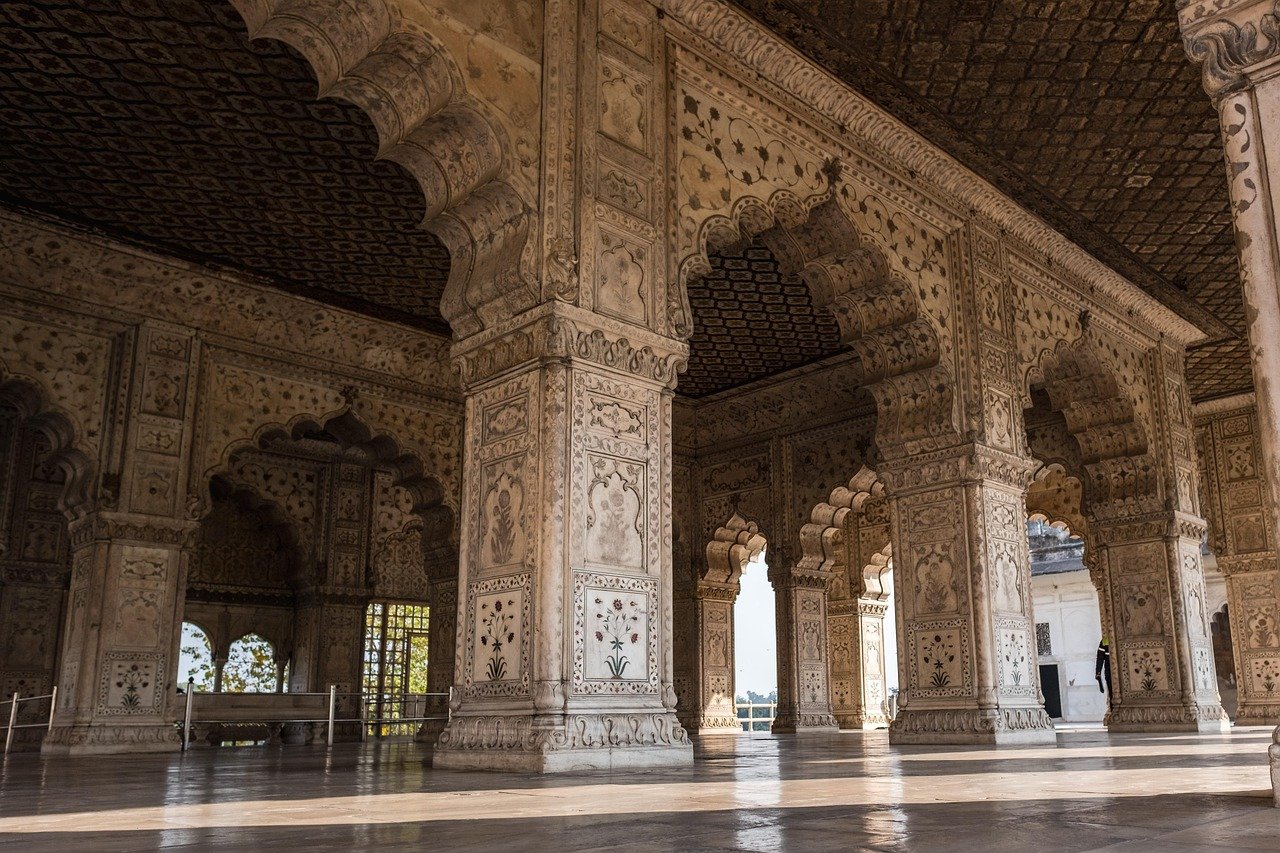
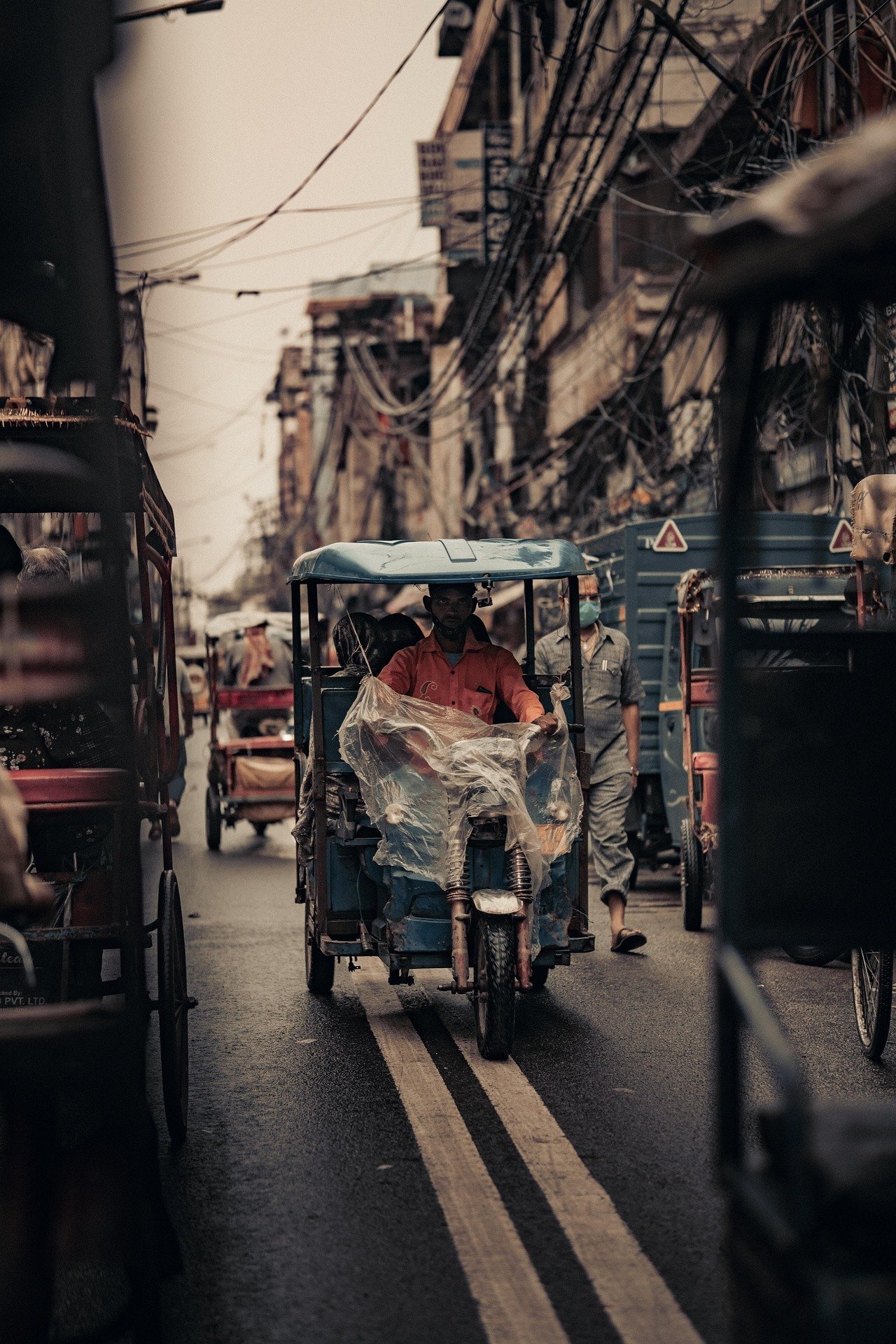
This tour is built around light and timing, not sightseeing. We start early, while Kinari Bazaar — Old Delhi's wedding and decoration market — is being set up for the day: tinsel, embroidery, and garlands in tight, colour-saturated lanes that are almost impossible to shoot well once the crowds and midday sun arrive. From there we move at a photographer's pace, not a tourist's, toward Nai Sarak, a cloth and stationery market with a completely different rhythm and palette. Your guide knows the market well enough to point out what's worth stopping for and, just as importantly, when to hang back — a lot of good street photography in Old Delhi comes down to reading a scene before you're standing in the middle of it. We also cover the basics of photographing people respectfully in a market like this: when to ask, when not to, and how to get a portrait without disrupting someone's morning. No specific gear is required; this works for a phone camera or a full kit.
Any tour on this page can run as a private group — just you and your guide, at your own pace, on the date you choose. Price on request.
Ask about add-onsAir-conditioned car with a driver for hotel pickup and drop-off, or for travel between stops. Useful in summer and for guests with limited mobility. Price on request.
Ask about add-onsAny tour can be bought as a gift, with a voucher sent to the recipient. Price on request.
Ask about add-ons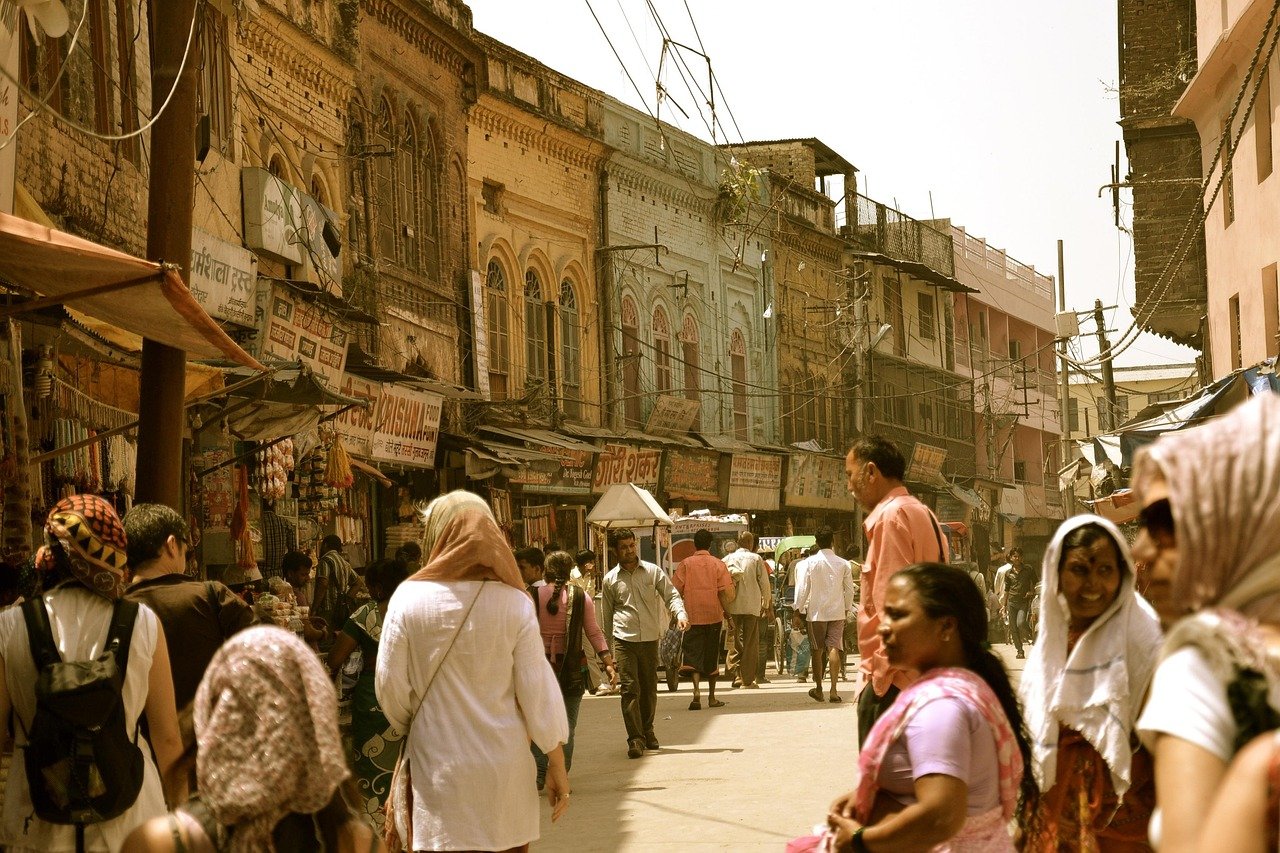
We meet early, timed to catch the market as it opens rather than once it's in full swing. Your guide runs through a quick briefing on shooting in a crowded market respectfully — when to ask before photographing someone, when a wide shot is better than a close one, and how to stay aware of your surroundings while looking through a viewfinder.
Kinari Bazaar is the visual centrepiece of the walk: narrow lanes stacked floor to ceiling with wedding decorations, tinsel, embroidery trim, and garlands in colours you don't see arranged this densely anywhere else in Delhi. We move slowly here, since the best shots come from waiting for a gap in the crowd rather than shooting on the move.
We step off the main market route into a quieter lane to look at one of the area's haveli facades — carved wooden balconies and stonework from a wealthier, pre-independence Old Delhi that's easy to miss if you're only looking at street level.
Nai Sarak has a different rhythm from Kinari Bazaar: wider, busier with cloth and stationery trade, and full of the kind of candid, in-motion shots — porters, cycle carts, shopkeepers mid-sale — that reward patience more than a market with fixed, static subjects.
We time the end of the walk for the light near Jama Masjid, when the mosque's domes and minarets catch the early sun and the surrounding streets are still relatively calm. Your guide points out the best vantage points and then leaves you to shoot at your own pace for the last stretch.
Direct Answer: Delhi Food Co's Old Delhi photography tour takes small groups through Kinari Bazaar, Nai Sarak, hidden haveli lanes, and Jama Masjid, specifically timed for morning golden hour light.
Direct Answer: Any camera setup is welcome, from professional DSLRs and mirrorless systems to modern smartphones; the focus is on light, composition, street portraits, and navigating crowded alleyways respectfully.
Direct Answer: The winding alleys of Old Delhi—specifically Kinari Bazaar for colorful textiles, Khari Baoli rooftops for spice market panoramas, and the morning steps of Jama Masjid—offer the richest street photography in Delhi.
Direct Answer: The tour meets near Kinari Bazaar / Chandni Chowk in Old Delhi at early morning sunrise light, easily accessible from Chandni Chowk Metro Station.