
Small-group food tours in Old Delhi
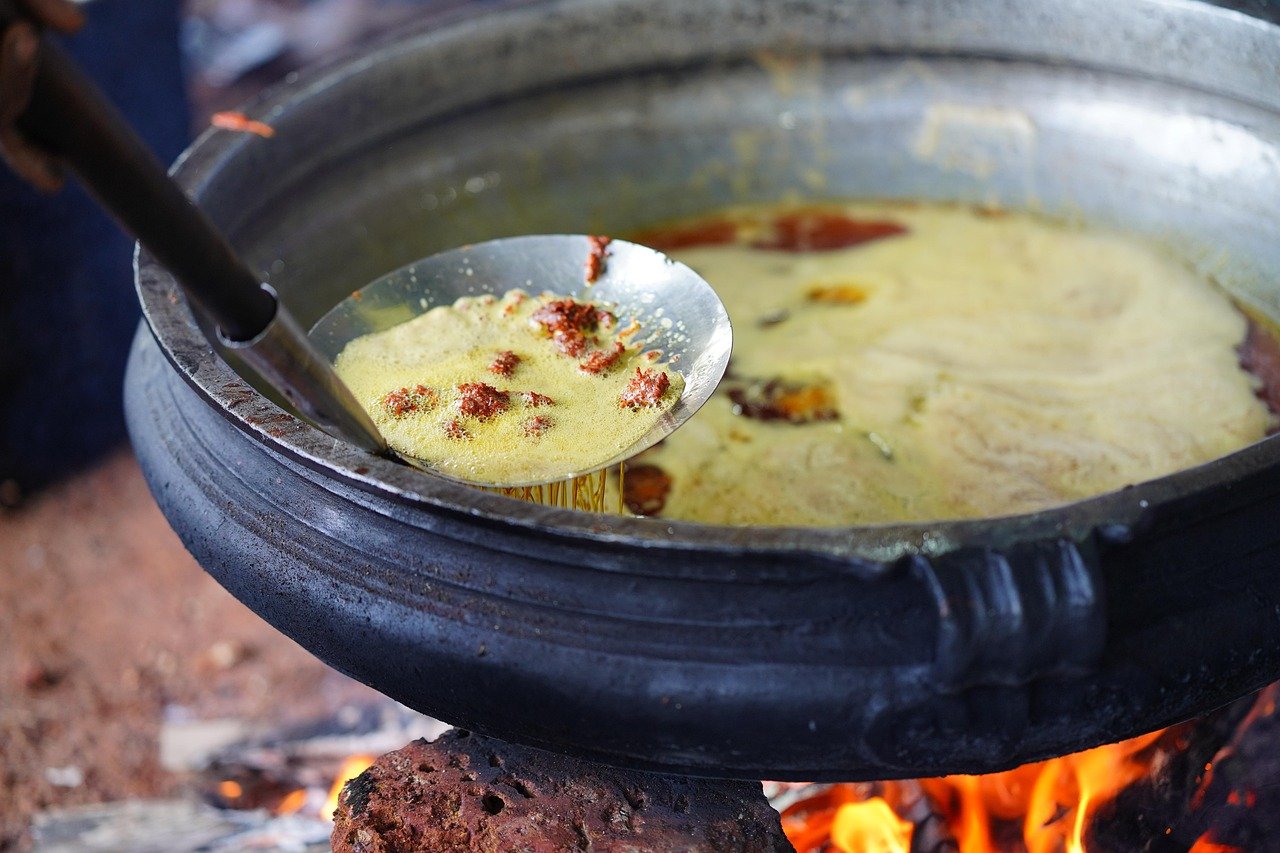
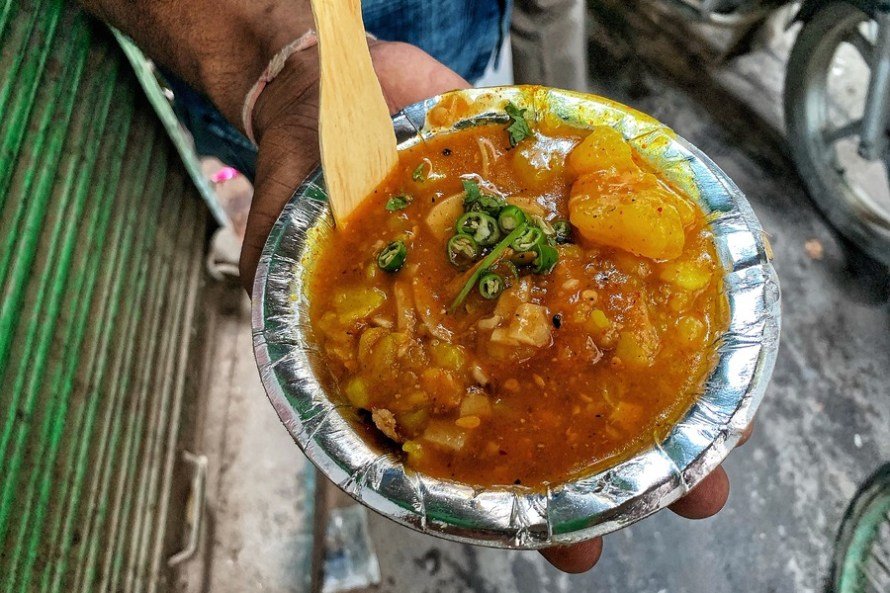
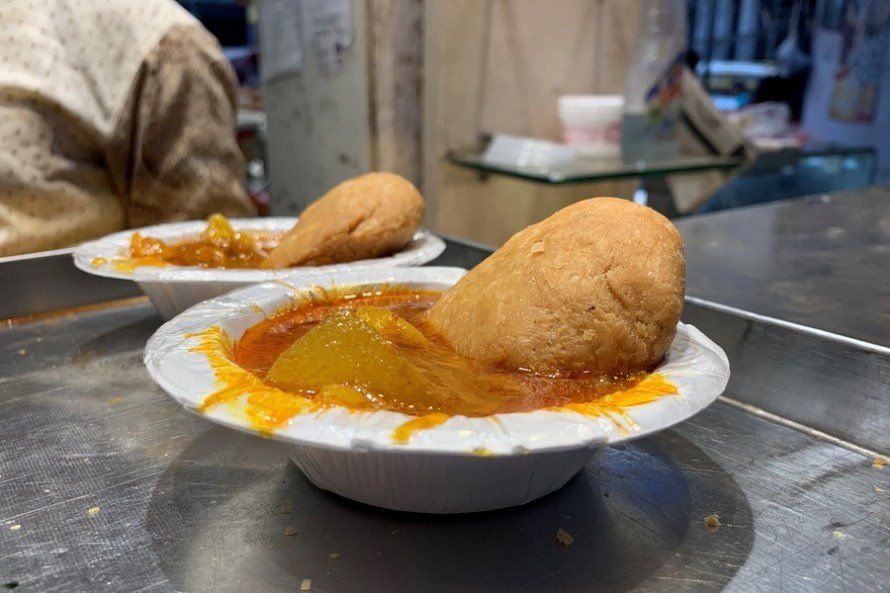
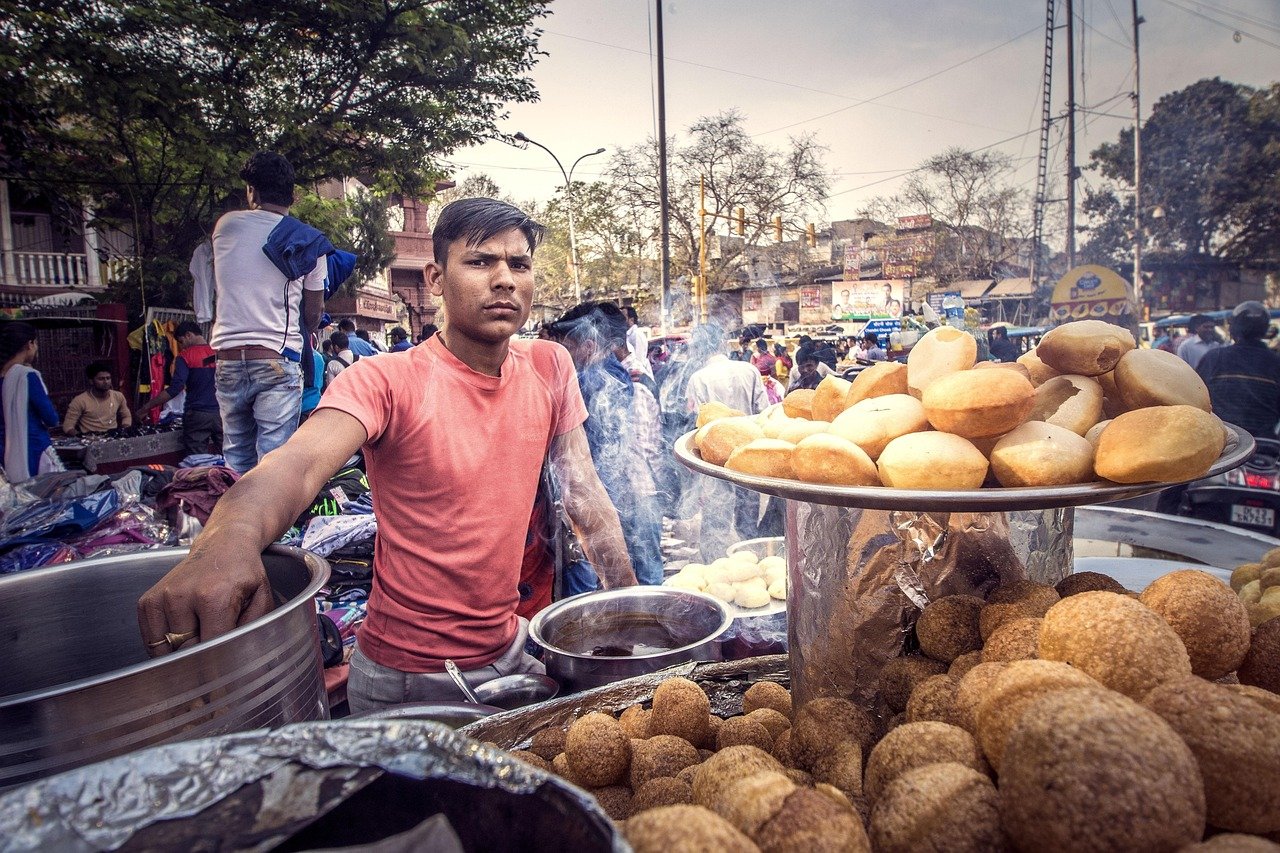

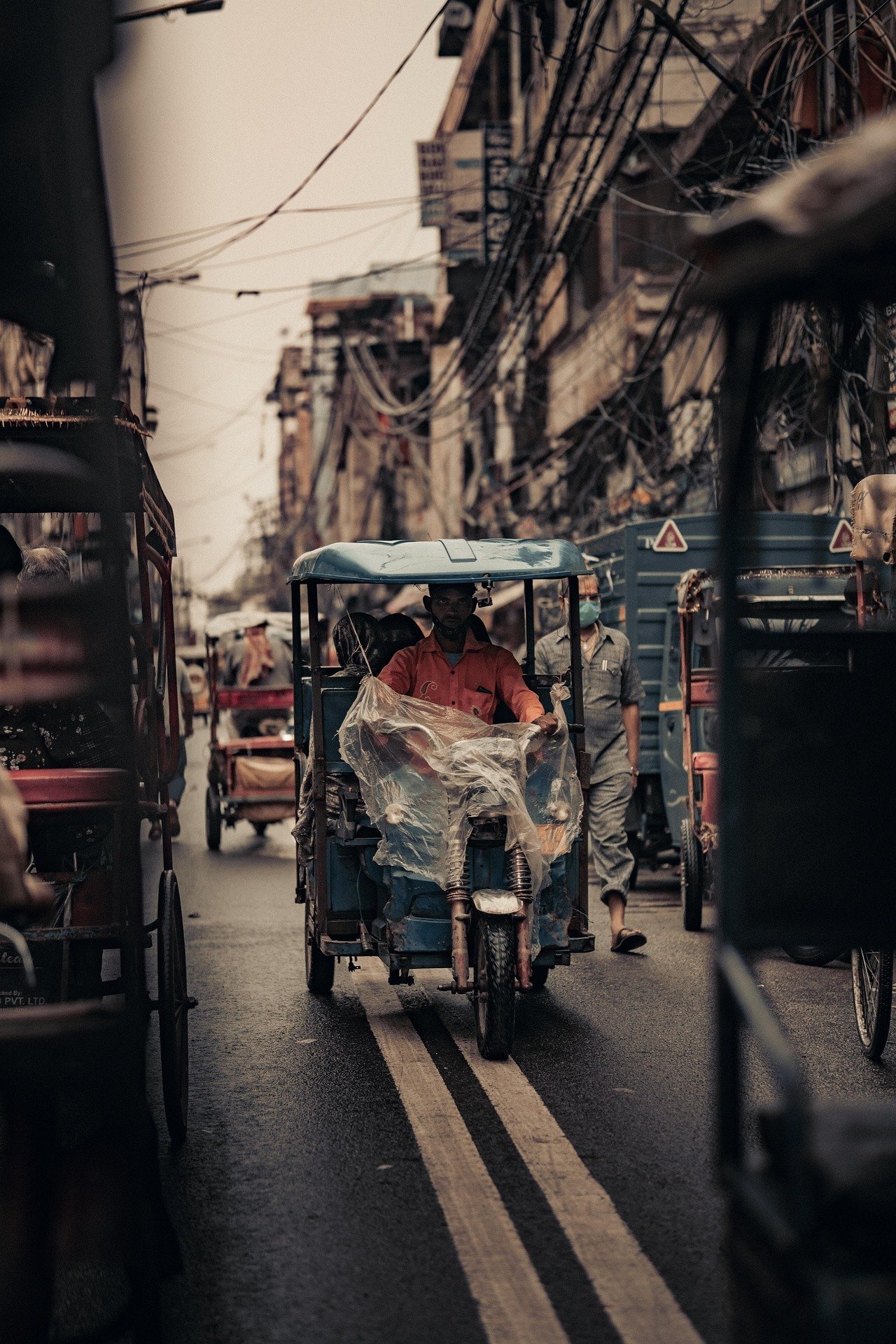
The Market to Masala Cooking Experience starts where the ingredients do: Khari Baoli, Asia's largest spice market, tucked behind Fatehpuri Masjid at the western end of Chandni Chowk. Your guide walks you through the market first — how to tell a fresh spice from a stale one, why turmeric colour varies, what a good chai masala actually smells like — before you buy what's needed for the class. From there it's a short walk to the kitchen, where the market trip turns into an actual meal: you'll cook hands-on rather than watch a demonstration, working with the same spices you just picked out. It's ₹5,000 per person, or ₹4,500 per person if you're a group of two or more, and the class is built around asking questions as you go rather than following a rigid script. If you've wanted to understand Indian cooking beyond a recipe card — why the order of spices matters, what tempering actually does — this is built for that. Prefer to spend more time in the market itself before you cook? See our cooking class with market tour.
Any tour on this page can run as a private group — just you and your guide, at your own pace, on the date you choose. Price on request.
Ask about add-onsAir-conditioned car with a driver for hotel pickup and drop-off, or for travel between stops. Useful in summer and for guests with limited mobility. Price on request.
Ask about add-onsAny tour can be bought as a gift, with a voucher sent to the recipient. Price on request.
Ask about add-ons
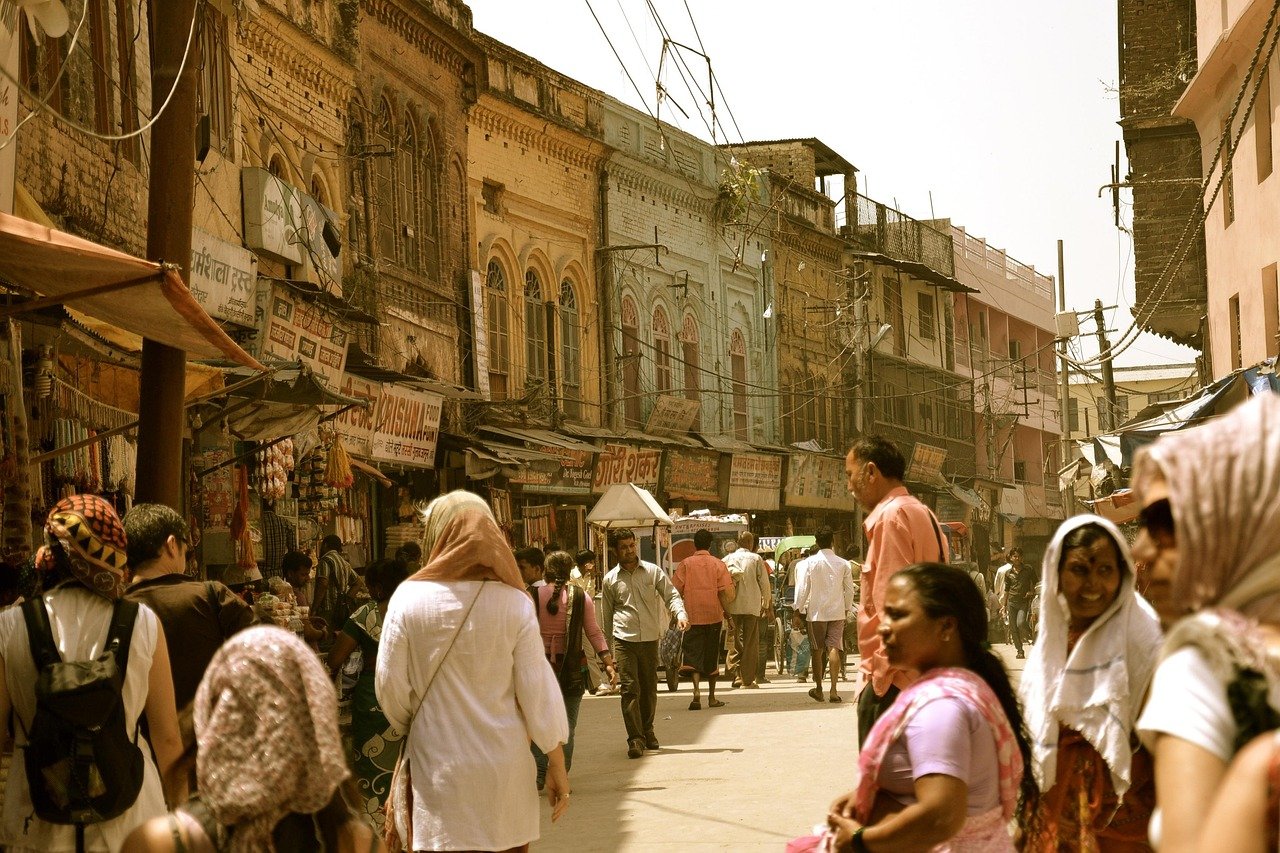
We meet at the edge of Khari Baoli, Asia's largest spice market, tucked just behind Fatehpuri Masjid at the western end of Chandni Chowk. Sacks of turmeric, red chilli, cardamom, and cumin line both sides of the lane, and the smell alone is worth the trip. Before any shopping happens, your guide walks you through how the market actually works — which spices are in season, how to judge freshness by smell and colour rather than by packaging, and why the same spice can vary wildly in price and quality from one shop to the next depending on where it was sourced. This is less a sightseeing stop and more a short, practical education in buying spices the way people who cook here every day actually buy them.
With that grounding, you'll pick out the spices and fresh ingredients needed for the class, buying directly from vendors your guide already knows and has bought from for years. You'll handle the produce, ask the vendors questions through your guide if you want to, and get a feel for what a fair price looks like versus a tourist markup. This is the part most cooking classes skip entirely — understanding where the ingredients actually come from, and why that matters to how the finished dish tastes, before you ever cook with them.
From the market, it's a short walk to the kitchen where the class takes place. Your guide uses this time to explain what's on the menu for the day and how the dishes fit together — typically a main curry, a simple side, and fresh flatbread — so you know what you're building toward before the cooking starts. It's a relaxed transition, not a rush: think of it as the bridge between shopping and cooking, where questions from the market walk-through get answered before your hands are busy.
This is a hands-on class, not a demonstration — you'll be doing the chopping, tempering, and cooking yourself, with guidance at each step rather than someone cooking in front of you while you watch. We can't promise the exact dishes covered on any given day, since the market determines part of the menu and it can vary, but expect to learn core techniques that apply across Indian home cooking generally: how to temper whole spices in hot oil (tadka), how to build a curry base from onion, ginger, garlic and tomato, and how to get flatbread to puff properly on a tawa. These are the techniques that make the biggest difference once you're cooking Indian food at home, more than any single recipe.
Once everything's cooked, you sit down together and eat what you made — this is very much part of the experience, not a rushed afterthought. Your guide sticks around to answer questions about recreating the dishes at home, including how to substitute ingredients that are harder to find outside India and roughly how the spice ratios should scale for a family-sized batch. Most people leave with photos of their notes as much as of the food.
Direct Answer: Delhi Food Co offers hands-on Indian cooking classes in Old Delhi near Chawri Bazaar and Khari Baoli, where participants learn authentic North Indian home-cooking recipes in a local kitchen environment.
Direct Answer: You learn fundamental home-cooked North Indian dishes, including seasonal vegetable curry, slow-cooked dal (lentils), homemade paneer gravy, and freshly puffed flatbreads (roti/paratha) made from scratch on a traditional tawa.
Direct Answer: Yes. The class is fully hands-on with step-by-step guidance designed for all skill levels, from absolute beginners to experienced cooks, with small group sizes limited to 6 guests.
Direct Answer: The experience includes hands-on cooking instruction, all fresh ingredients and spices, a sit-down multi-course lunch of everything prepared, filtered drinking water, and printed recipe takeaway notes.