
Small-group food tours in Old Delhi


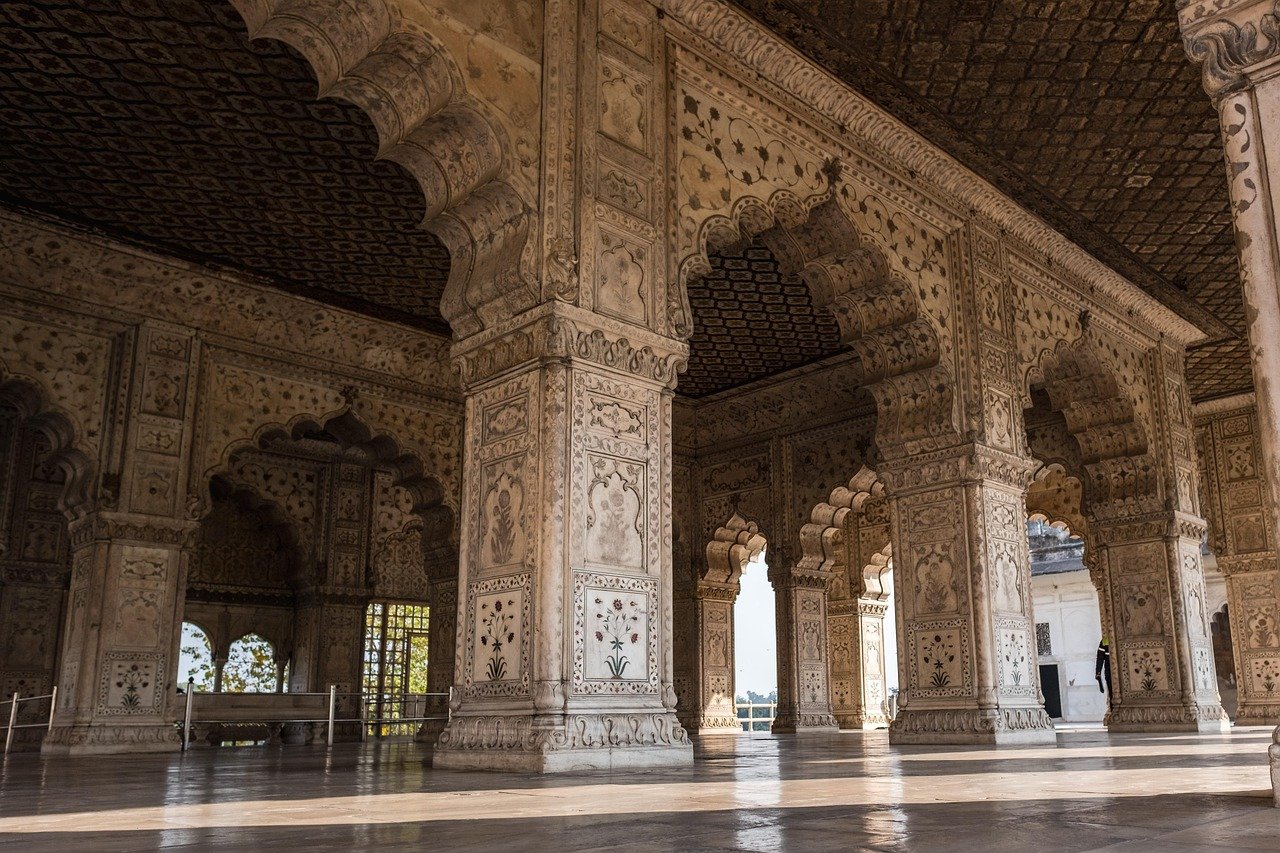
Shahjahanabad is the walled city Shah Jahan built when he moved the Mughal capital from Agra to Delhi in 1648, and most of what's left of it is still standing if you know where to look. This heritage walk starts near Jama Masjid, India's largest mosque, and moves through Dariba Kalan — a narrow lane that has traded in silver and jewellery since the Mughal era — before ending in Ballimaran, a quarter of old havelis best known as the home of the Urdu poet Mirza Ghalib. We're not covering food on this one; it's a slower, history-first walk for people who want the architecture and the backstory, not the market crowds. Your guide points out what's original Mughal-era construction versus later British or post-independence rebuilding, since the two are easy to mix up if you don't know what to look for.
Any tour on this page can run as a private group — just you and your guide, at your own pace, on the date you choose. Price on request.
Ask about add-onsAir-conditioned car with a driver for hotel pickup and drop-off, or for travel between stops. Useful in summer and for guests with limited mobility. Price on request.
Ask about add-onsAny tour can be bought as a gift, with a voucher sent to the recipient. Price on request.
Ask about add-ons
We start at Jama Masjid, commissioned by Shah Jahan and completed in 1656 as the imperial mosque of his new capital. We don't go inside on this walk — the focus here is the old city around it — but your guide covers its place in Shahjahanabad's original layout before we move on.
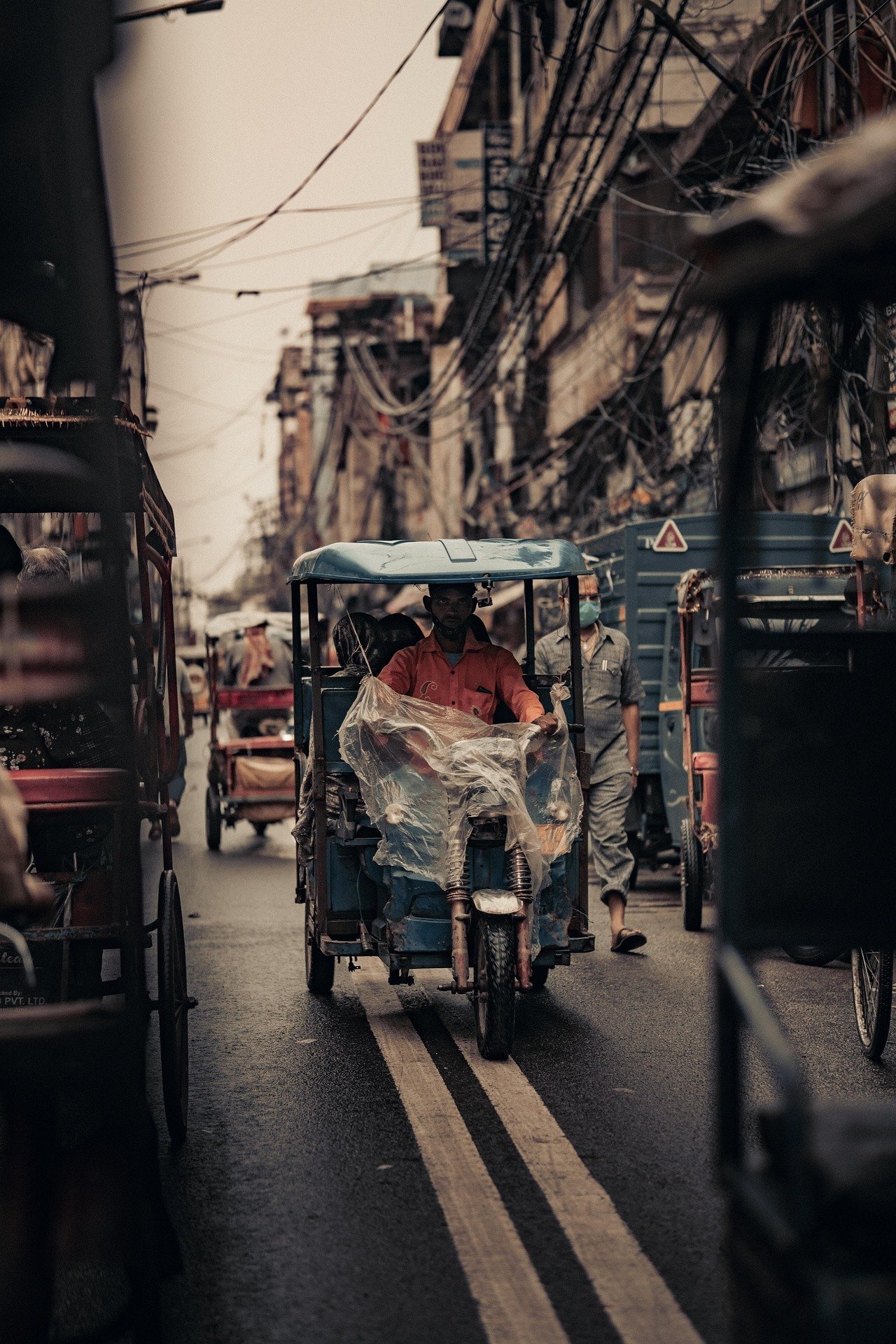
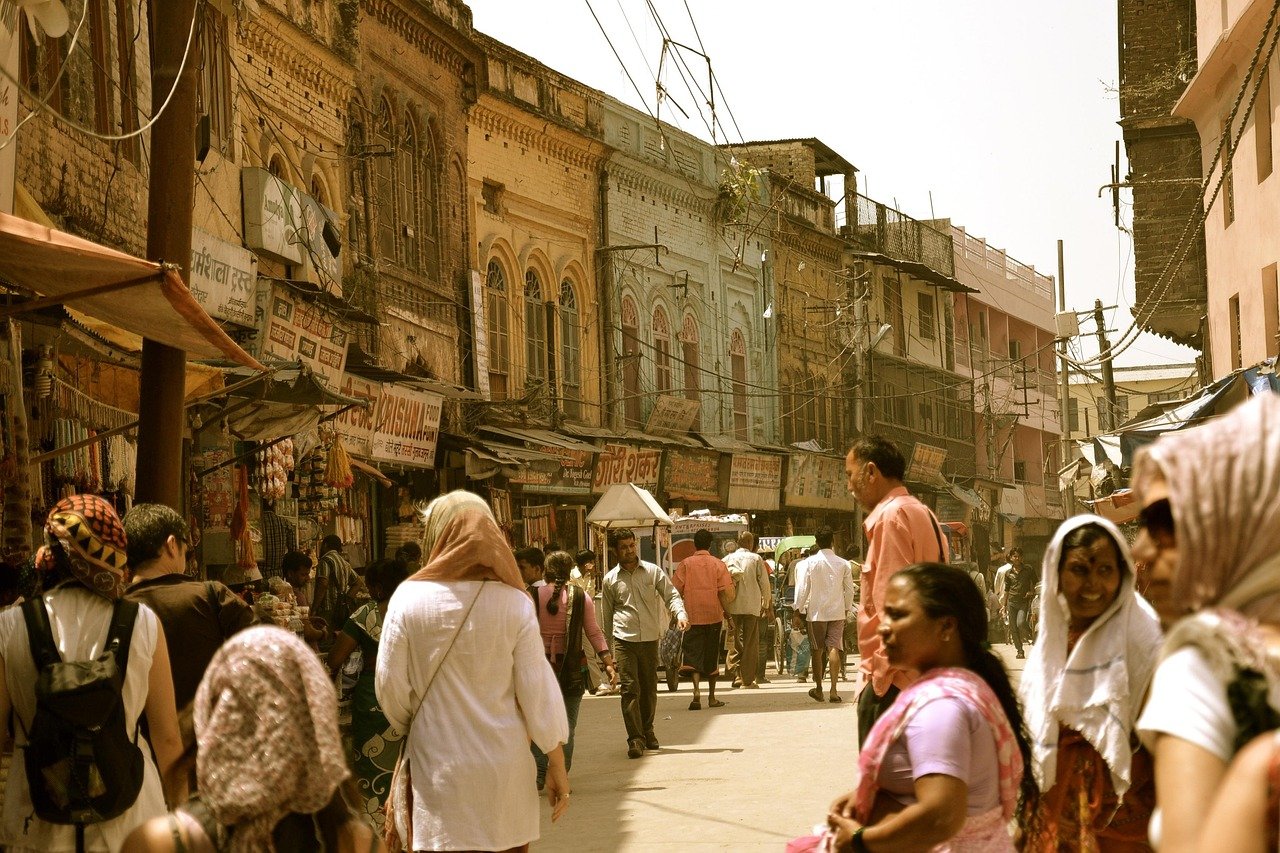
From the mosque, we walk into Dariba Kalan, one of the oldest continuously operating markets in Delhi, known for silver and jewellery trading since the Mughal period. The lane is narrow enough that you can see how little its footprint has changed even as the shops themselves have turned over generations.
Gali Qasim Jaan is a quiet residential lane that most visitors to Chandni Chowk never turn down. It's a good example of how much of Shahjahanabad survives behind the main commercial streets, largely unremarked and unrestored.
This lane is also home to Ghalib's Haveli, the preserved residence of the 19th-century Urdu and Persian poet Mirza Ghalib, now run as a small memorial and museum by the Delhi government. It's a modest space, but a meaningful stop if you have any interest in Urdu literature or Mughal-era Delhi.
We close the walk moving through Ballimaran itself, a quarter still lined with old havelis in varying states of upkeep — some restored, many not. Your guide points out architectural details worth noticing: carved wooden brackets, jharokha balconies, and the layout logic of a havelis built around internal courtyards for privacy and airflow.
Direct Answer: On an Old Delhi heritage walk, you discover 17th-century Mughal architecture, Dariba Kalan silver market, Gali Qasim Jaan, Mirza Ghalib's historic haveli in Ballimaran, and traditional courtyard mansions.
Direct Answer: The heritage walk lasts approximately 2.5 to 3 hours at an easy walking pace with frequent stops to examine historic havelis, inscriptions, and neighborhood landmarks.
Direct Answer: The heritage walk meets outside Jama Masjid (Gate 3) in Old Delhi, accessible via the Jama Masjid Metro Station on the Delhi Metro Violet Line.
Direct Answer: This tour is focused primarily on Shahjahanabad's architecture, poetry, Mughal history, and residential heritage quarters rather than food tastings.